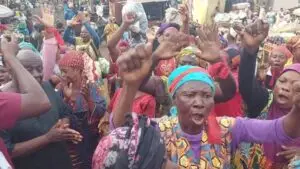
October 17 is the World Day to Overcome Poverty. The aim is for all people to be able to lead a life in dignity. Connexio develop is also contributing to this by helping Congolese women to learn to read and write.
Our world is experiencing an unprecedented level of economic development, technological means and financial resources. Despite this, millions of people live in extreme poverty. According to the World Bank's definition, people are extremely poor if they have less than 2.15 US dollars a day at their disposal. This approach converts the purchasing power of the US dollar into local purchasing power. But poverty is much more than just an economic problem.
When poverty violates human rights
People living in extreme poverty are exposed to many disadvantages that reinforce each other. They are prevented from standing up for their rights and are trapped in their poverty. Disadvantages include dangerous working conditions, unsafe housing and a lack of nutritious food, but also unequal access to justice, a lack of political power and limited access to healthcare. Extreme poverty leads to people's rights and dignity being violated. Ending poverty in all its forms and everywhere is therefore the first goal of the Agenda for sustainable developmentto which Switzerland is also committed.
Central ABC
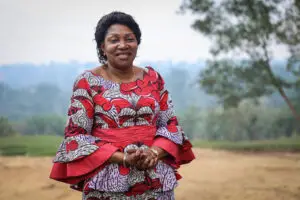
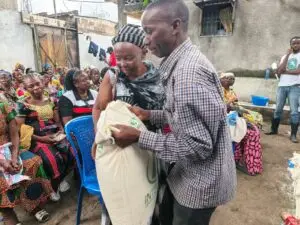
The causes of poverty are often also its consequences. Very poor families usually lack the time and energy to attend school. Poverty prevents education. Conversely, however, education can help to overcome poverty. Being able to read and write opens up completely new opportunities to participate in life and stand up for one's own rights. Women who took part in a Literacy project in the Kindu region in the east of the Democratic Republic of the Congo.
Contribute to income
Marie-Berthe notes: "My mind has opened up. And my husband treats me with respect and includes me." Before, she was no good in the eyes of those around her. "My husband bought the soap and paid for illnesses. If he didn't have any money one day, we went hungry. But now I can bake and sell doughnuts. Whether my husband has money or not, I prepare meat for us. Before, I couldn't actively contribute to the income." Charlotte confirms: "I was depressed that I had to seek help from others every day. Now I can do everything myself, I stand up straight and contribute to my family and that's life."
Precarious living conditions
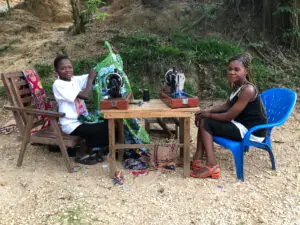
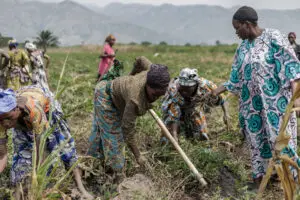
The 50 to 80 women who take part in the project each year live in a conflict-ridden region. They have to provide for their families and are also at high risk of becoming victims of violence. Most of the women come from very poor backgrounds and have never been able to attend school. In the courses, they learn to read and write, but also to sew, bake and make soap in order to generate an income.
Obstacles and expansion plans
The educational path for women is sometimes rocky. Around 20 to 30% of women drop out of courses. The journey can be too complicated or too expensive. The family situation or pregnancy can make it impossible to travel that far at all. "But we always want to be vigilant, because absenteeism can also be an indication of the woman's psychosocial situation," says Blanchard Ayinza Boke, who coordinates the project. They are currently considering expanding the program geographically. This would allow many more women to benefit.
The World Day to Overcome Poverty was initiated by the priest Joseph Wresinski and 100,000 other people who gathered in Trocadero Square in Paris on October 17, 1987, to express their "no" to extreme poverty and to call on humanity to work together for human rights. Since 1992, the World Day has been celebrated every year on October 17.
Press the alarm button
Swiss politicians want to massively reduce contributions for development cooperation. This is deeply lacking in solidarity and affects the poorest. We must shake Parliament awake now and stop the impending cutbacks. Support this and press the Alarm button!