
Before they break new ground, we took them aside and interviewed them. What was particularly impressive, what does the work look like and: Can they also reveal a few secrets from their project work?
Selecting the pilot projects for the Bolivian program is a big responsibility. We want to ensure that the projects are meaningful, interesting and relevant and that a good (albeit possibly specialized) cause is supported that would otherwise be neglected.
In addition, the current economic and social crisis in the country in the run-up to the elections in August is causing great uncertainty. Together with high inflation, many partner organizations are struggling to implement their projects as planned.
The urban garden project in La Paz has grown considerably and the older people who work there are very enthusiastic - they are happy to work with the two young women who coordinate the activities and have told us several times that this project gives them hope and anticipation.
We were also delighted with the collaboration between the Bajo Nuestra Piel human rights film festival and the urban gardens team in La Paz. The two projects have launched joint activities - sharing resources and commitment beyond their own target group is simply great.
Despite the severe economic crisis in Argentina, the Lechería de la Solidaridad has overcome the economic uncertainty in which it found itself for a while and is now a strong institution with a young, dynamic team and optimistic prospects for the future. Connexio develop has contributed to this, but ultimately it is all down to the hard work of the team.
When a project recently received a large donation. It was an honor to witness this moment. It was nice to see the great work ethic of the project team recognized. We were very proud of the work Connexio develop does for this valuable partner organization.
Another sign was when Connexio was approached by other NGOs for cooperation. Feeling the trust in our work and realizing that we are making a difference is the best thing about this job.
We make sure that the local partner organization has relevant counter-financing for the project and, if possible, diversified sources of funding. This means that there is a chance of continuing the work even if Connexio has to stop funding. We also share with them the principles that guide Connexio, such as Leave No One Behind and our strategic direction (SDG 16+). We also listen to their experiences and take into account their institutional goals, priorities, strengths and type of organization. Project application and implementation are entirely in the hands of our partner organizations. We ask questions and then decide whether a project is a good fit for Connexio.
We are currently strengthening the Bolivian program, partly because the economic and socio-political situation is very delicate and tense. Forecasts indicate that the country could fall into a serious economic crisis after the elections. In development cooperation, we are aware of this, but unfortunately, like others, we are not equipped with the necessary resources to cushion the impact on the population. In addition, there is always the risk of violent unrest, which could restrict the mobility and activities of our partners.
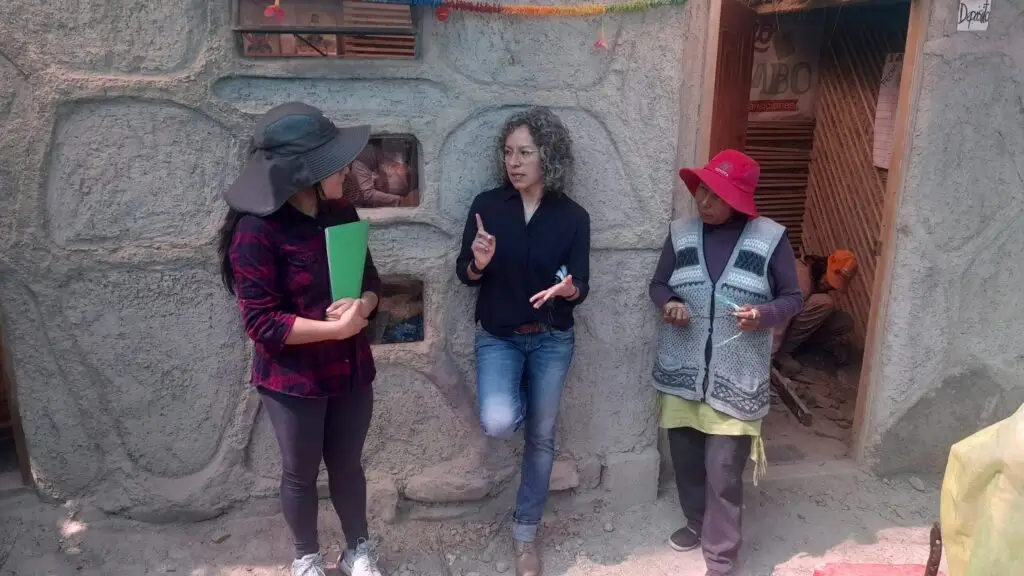
People lead a normal everyday life with joys and challenges, just like in Switzerland. They do their best every day. It is difficult to make a general statement about concrete changes, as the projects are very different. But they are seen, recognized and feel supported on their way to a better community.
That people in South America work very hard. We were fortunate to meet professionals with a great work ethic and unwavering principles and values. In traditional decision-making processes and community organization, respect for democracy, accountability and collective and individual responsibility are very strong.
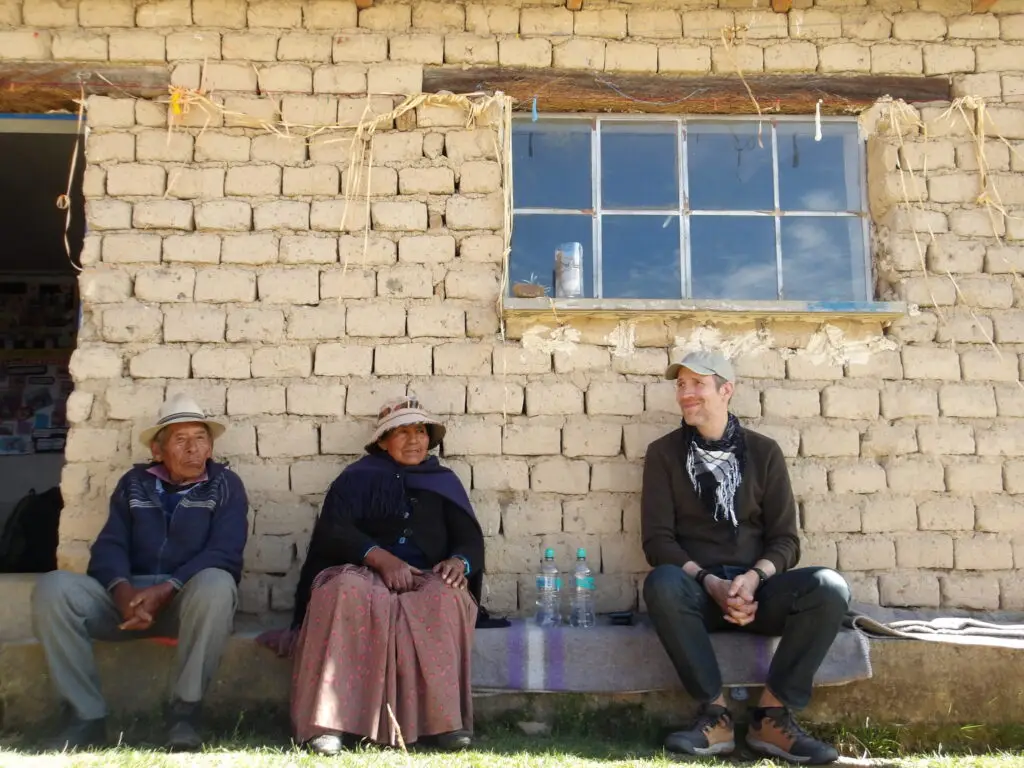
Perhaps that we are not constantly traveling or on assignment in the field. Yes, we live abroad and experience different cultures, but it's by no means a permanent vacation! The work requires a lot of planning and coordination.
Another point: we deliberately focus on the partner organizations and their teams. We are not always up close and personal with the implementation of the activities, but provide support from a distance. And despite the serious issues we deal with, we keep things light-hearted - a little humor helps, even in difficult situations.
Of course, it is impossible to speak for all local people, as their dreams and goals are very different. Generally speaking, people in this region, which is often affected by crises, want a little stability above all else. As in Switzerland, most people strive for a fulfilling life with opportunities for development. And in general, our friends and colleagues in the three countries are very proud of their culture, the achievements of their societies and the beauty of Latin America. Together we can work as equal partners, aware that Switzerland, Chile, Argentina and Bolivia all have strengths and weaknesses and have much to contribute to cooperation. Mutual respect is the key to improving everyone's lives together - in Europe or Latin America
As a Mexican, I thought I would have no problem with the Spanish in Bolivia - but far from it! Sometimes I used words that nobody understood here. People just looked at me confused, as if I was speaking a secret language.
Flavia: The view of the Illimani (the highest mountain near La Paz) in the city center, the murals and the cold weather in La Paz, the cumbias (Latin American music) all over the city, spontaneous rides on the Teleférico (cable car), Singani (a wonderful local liquor) and above all the great friendships we have made here. I will also remember our weekly team meetings with our colleague Andreas Our work meetings were fun and full of friendly banter. I learned from him and always had the feeling that he had our back.
Roman: We have made incredible friendships here in La Paz that will last a lifetime. I will simply miss being able to meet these friends at any time, but the friendships will remain and we will see each other again - in Europe, Latin America or elsewhere.
And who follows? Bienvenido Carolina!
We are delighted, Carolina Verónica Zaballa Romero as the successor to Flavia and Roman in our team. We asked Carolina to tell us a bit about herself.
"I am a Bolivian psychologist specializing in human rights. I am committed to a fairer society. I am convinced that cooperation across borders, experts from different fields and strong networks will take our region forward.
I founded the volunteer project "Pintando Sonrisas" (Painting Smiles). We improve the quality of life of children and young people in risk situations - with or without disabilities. The starting point was working with young children who live with their parents in Bolivian prisons.
I have also launched an initiative for survivors of gender-based and sexual violence and human trafficking. Although I cannot meet the great need in Bolivia alone, I am convinced that mental health is crucial for the prevention of violence, strengthens support networks for those affected and promotes an inclusive society.
I am currently working with organizations to support children and families of femicide victims who have been forgotten by the state - people who lack a dignified grieving or reparation process.
In a fragmented society where laws don't work, I have learned to set myself short-term goals and to be happy about small steps forward. The important thing is to act and bring about change. I want to make the invisible visible and give a voice to those who are not heard."

